
Re:Paris Prize
Contents 
We've relaunched our long-running Paris Prize (1904–97) as the Re:Paris Prize, with a new focus on reparative and regenerative urbanism.
About
Van Alen Institute has relaunched our long-running Paris Prize in Architecture (1904–97) as the Re:Paris Prize. With a new focus on reparative and regenerative urbanism, the Re:Paris Prize focuses on cities and communities across the global post-colonial landscape.
For the inaugural prize, we’ve partnered with the Pan-African Biennale, the first continental biennale dedicated to architecture and the built environment. Alongside our team, the biennale’s founding curator Omar Degan has helped articulate its themes and supports the mentorship of the winning designers. Two Africa-based winners were selected from participants in the 2026 Pan-African Biennale, and a third US-based winner will be chosen through an open call, with applications due Sunday, November 22.
Winners are selected by a committee including Nora Akawi, Assistant Professor, The Cooper Union; Ifeoma Ebo, Founding Principal, Creative Urban Alchemy; Mark Gardner, Principal, Jaklitch / Gardner Architects; Kabage Karanja, Co-Founder, Cave_bureau; and Mphethi Morojele, Managing Director, MMA Design Studio.
Each winner receives a $35,000 travel fellowship to research how design plays a transformative role in Africa and its diaspora — places once held to the periphery of architectural discourse, but are now increasingly appreciated as centers of innovation in sustainability, resiliency, and cultural preservation. They’ll conduct impactful field research, evolve their work to the next phase of development, and meaningfully engage communities navigating histories of displacement and exclusion in a spirit of cross-cultural collaboration and exchange.
Following their field research, they’ll collaborate to present their learnings at Van Alen Institute in Fall 2027 and the second Pan-African Biennale in 2028.
US Open Call
We’re now seeking one US-based winner via an open call; applications are due Sunday, November 22. All three winners will collaborate by sharing learnings from the field with each other and co-designing ways to present their work at Van Alen Institute in Fall 2027 and the second Pan-African Biennale in 2028.
Proposals should:
- Require international travel to connect with experts and opportunities for impactful field research
- Move an important new concept or existing projects to the next phase of development
- Meaningfully engage communities impacted by historical and ongoing harm in a spirit of cross-cultural collaboration and exchange
- Help ideas scale up to achieve greater impact or connect with a wider audience
Proposals should also address one or more of five critical themes in reparative and regenerative urbanism:
- Land use, planning, and regenerative development: How can new models of land use, planning and development repair blighted neighborhoods and promote broad-based prosperity?
- Materials, making, and resilient design: How the physical building blocks of cities can support climate action, circular economies, and waste reduction
- Data, algorithms, and the public realm: How digital infrastructures reshape public spaces, civic life, and spatial perception
- Interdependent ecosystems: How urban design supports environmental repair, ecological stewardship and resilience
- Cultural hybridity: How can we recenter local, indigenous and underrepresented knowledge?
Africa-Based Winners
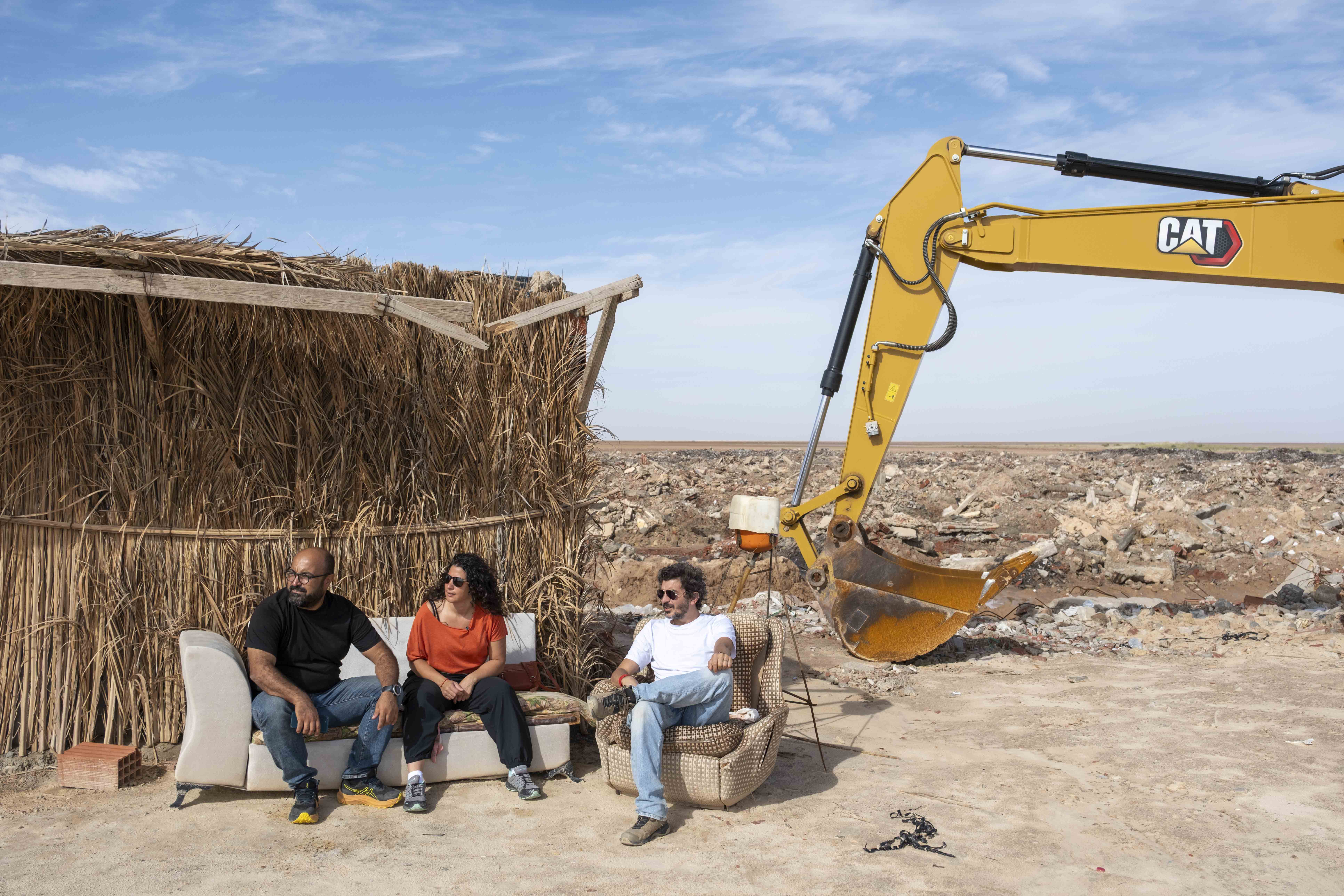

Arafa C. Hamadi: Who Designs Knowledge?
Galleries and museums across Sub-Sahara Africa are increasingly adopting the language of decolonization, yet exhibition spaces often continue to reproduce Western museological aesthetics. Arafa C. Hamadi’s project Who Designs Knowledge? asks how exhibition design can instead become a tool for building narrative spaces rooted in African aesthetic and material cultures. Through research, institutional visits and engagements with local material practitioners, Arafa will explore and prototype alternative spatial approaches to exhibition-making.
Bled el Abar Collective: Ifriqya: A Territory of Hospitality
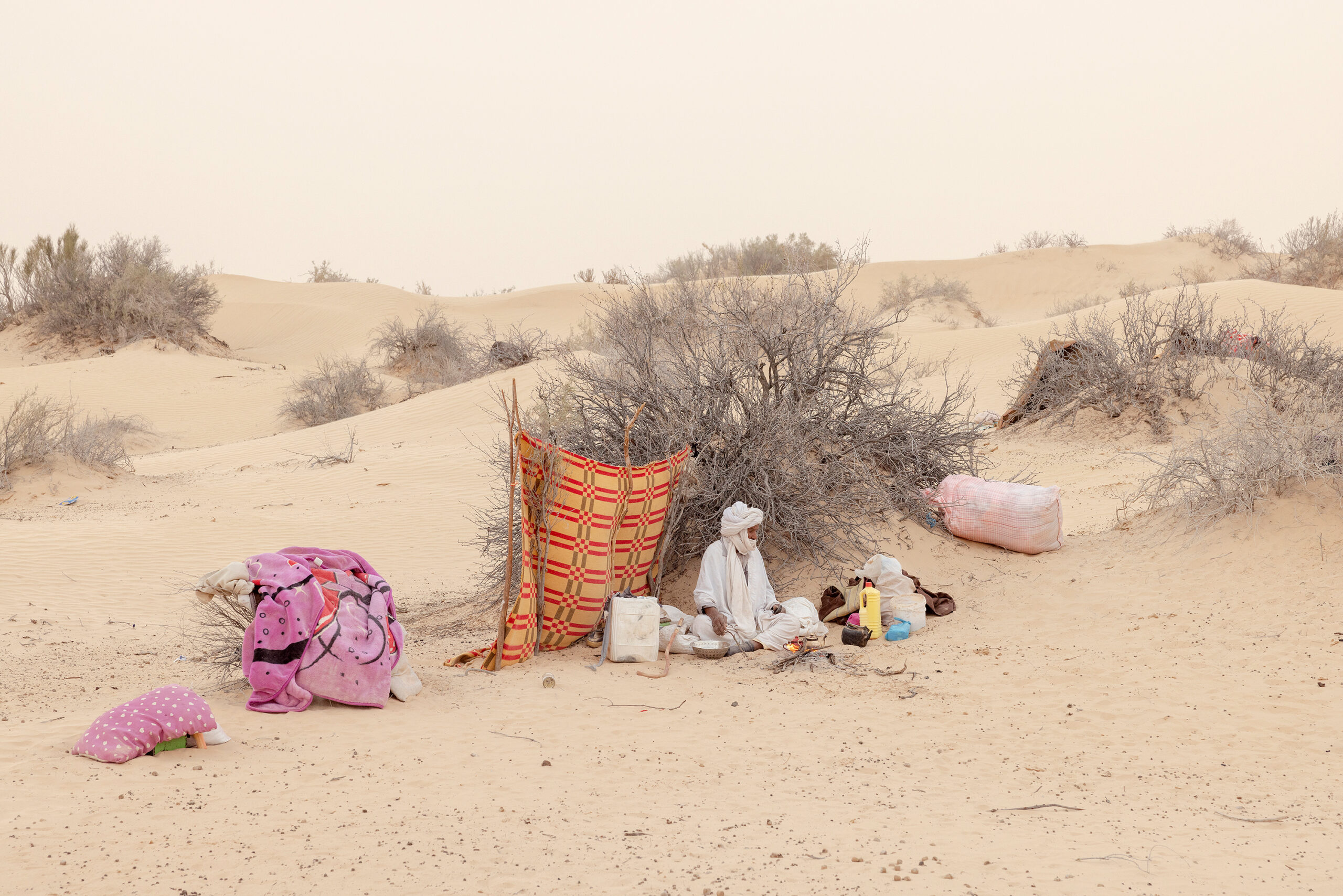
Places of hospitality, including oases, tents, and wells, punctuate the North African Sahara. For millennia, they have been sites of dwelling, gathering, and cultivation; today they are also tangible acts of resistance against colonial legacies, the authority of nation-states, and extractive economic systems. Together with those who live there, the Bled el Abar Collective will map these places, learn their stories, and investigate the contemporary realities they reveal.
In the News
The Architect’s Newspaper
Archinect
African Columns
Prize History
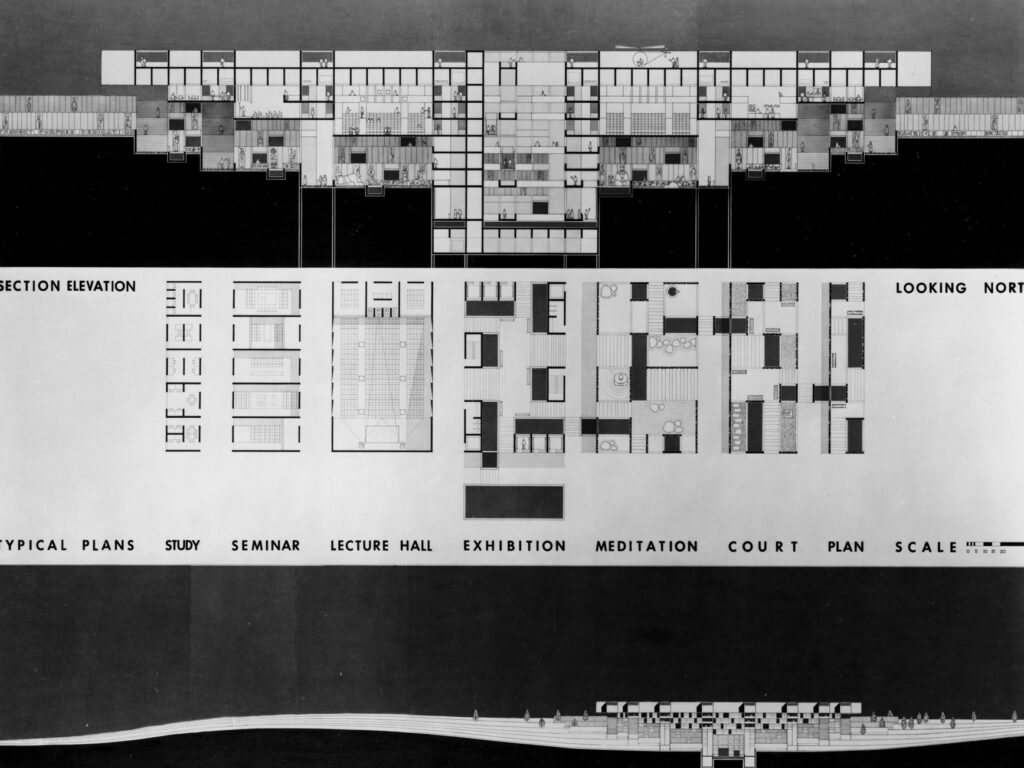
From 1904 to 1997, Van Alen Institute (formerly called the Society of Beaux-Arts Architects and the National Institute for Architectural Education) organized the Paris Prize in Architecture, an annual design competition. Participants responded to specific prompts covering urban planning, entertainment, schools, and civic spaces.
During the competition’s early years, winners were awarded a year of study in Paris at the École des Beaux-Arts. Many Paris Prize winners went on to create architectural icons of the U.S. — including Max Abramovitz, architect of David Geffen Hall at Lincoln Center; Richard H. Granelli, part of the Smithsonian Institution design team; and our namesake, William Van Alen, the Brooklyn-born architect of the Chrysler Building.
A selection of Paris Prize competition briefs and entries are available on our digital archive. To improve access, our digital archive will be redesigned and relaunched in 2027, with plans to greatly expand the content available in the coming years.
The Metropolitan Museum of Art’s collection also holds 78 prize-winning designs by 24 architects, created between 1907 and 1947. View them on the Met’s website.
Program Manager

Andrew Brown
Director of Programs
Related Projects